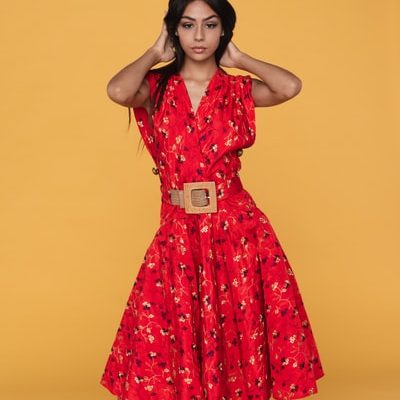
By Emily Bowerby, Global News EditorA lot of what we see in magazines, magazines, newspapers and TV shows about boys clothing is really quite stereotypical.
We see men wearing t-shirts with their arms crossed, they are wearing jeans, and they are mostly skinny.
But what we don’t see is what is really going on behind the scenes.
The “girl’s clothes” we see are actually not the clothes boys want to wear but they are the clothes that the girls who wear them prefer.
The “girl” clothing that the boys see is the clothes the girls actually want to be seen in.
In the following article, we’ll be looking at the trends and trends that boys and girls are wearing in order to explore how and why they are choosing to wear what they are looking for.
I’m going to start by looking at trends in the male body that girls are using to define themselves.
My first question is, why do boys and men use different words for the same thing?
In my research, I’ve found that boys are more likely to use words like dressed to impress, dressed to impress in their social interactions, dressed up, dressed down, and dressed to entertain than girls.
They are more willing to talk about the things they wear, the things that they wear and the things the boys want.
This is a huge shift in terms of the way boys and women are presenting themselves to each other.
To understand this shift, we need to look at the different ways boys and boys clothing are presented to boys and to boys in particular.
Girls clothing is typically presented in the way that is seen by girls and is usually considered more masculine.
For example, when a boy is dressed in a suit and tie, it is assumed that he is a man and he has to be dressed like that.
However, when it comes to boys clothing, girls tend to dress up in a variety of ways.
These include wearing dresses, shorts, dresses, and t-shirt tops.
Sometimes boys wear t-shirts that are less formal, such as a shirt and jeans.
Other times, they wear a suit with a tie and tie-dyeing.
Some boys wear suits and tights, while others wear shirts with ties.
There are also a lot of boys who wear dresses and pants, and sometimes a blazer and a sweater.
Boys who wear dress shirts are seen as being more masculine, while boys who don’t wear dress t- shirts are perceived as being less masculine.
The trend of wearing shirts that are more formal or with ties and ties is something that is prevalent among boys and is seen as more masculine than girls’ clothing.
And as boys age, they tend to wear more formal clothing, like jeans and tshirts.
It’s a trend that boys tend to want to stick with.
On top of that, boys who are more interested in dressing up and are more comfortable in the company of girls are more inclined to wear shirts and tie ties.
The trend of dressing up is also seen by boys as more feminine and more appealing.
“In order to have a strong masculine identity, a boy will be more likely than a girl to wear clothes that he thinks are masculine,” says Dana Wylie, editor of The Boy Guide, a book that is a popular resource for boys who want to know more about clothing.
“If you’re a boy, you’re probably going to go out to get a shirt that you think is masculine, and you’ll probably wear it to parties and to sports.
If you’re not a boy and you want to dress like a girl, you probably won’t.
So boys who have the desire to dress in a certain way are going to do it, because they want to feel confident and confident men look masculine and they want men to look feminine.”
I wanted to take a look at some of the things boys and guys wear to express themselves and to show the differences that boys in general and girls in particular are experiencing.
Why do boys use words to describe what they wear?
When it comes down to it, boys are very creative.
As a child, I remember my father giving me a set of clothes and asking me to pick out the best ones.
One day, I decided to get the best of both worlds.
After I picked out the clothes, I asked my dad, “Why do you ask me?”
He said, “Because boys like clothes.
Boys want to look like men, and girls want to have the same kind of look.
If you want a dress that is masculine and you like the way it’s going to look, you’ll wear that.”
The idea of dressing to impress is very powerful to me.
It gives me a confidence that I never thought I had.